House flip buyer closing checklist: cash, title, and keys
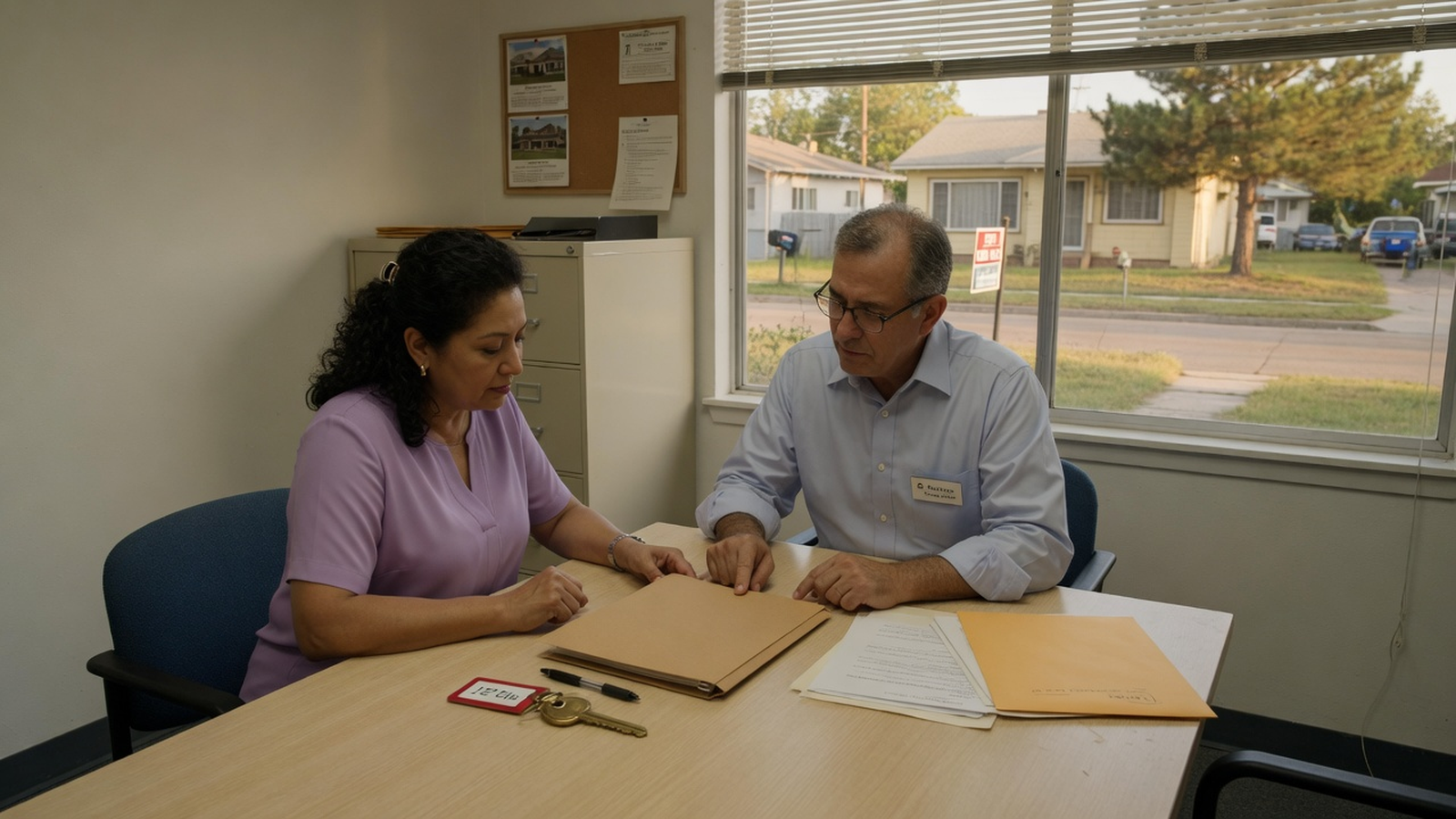
Buyer closing is the appointment where you take title to a house you plan to renovate. This guide shows beginners how to read the cash to close number, tell a settlement statement from a Closing Disclosure, separate a lender's title policy from an owner's policy, verify funds instructions, and leave with a possession plan that matches the contract.
Written and reviewed by the Rehabfolio editorial team. Published and last reviewed October 2, 2026.
Who this guide is for. This guide is for United States residential investors buying a one-to-four-unit property they intend to renovate, then sell or hold. You might be paying cash. You might be using a short-term lender. The guide starts after you have a signed contract and a decision to close. It ends when the deed path is clear, the money you sent matches the statement, and the same file can open the rehab. If you are still inside the inspection window, use the due diligence checklist. If the deposit itself is the question, use the earnest money guide. The day you later sell the renovated house is a different checklist: the seller closing checklist.
The Rehabfolio editorial team builds and reviews product workflows that connect a property record to the purchase figures, files, insurance notes, and tasks that follow a closing. That is first-hand product experience with how a deal file is organized. It does not make the team a broker, title officer, escrow agent, attorney, lender, insurer, appraiser, surveyor, accountant, or tax adviser. We do not invent licenses, credentials, or customer results.
Deeds, notarization, who may conduct a closing, good-funds rules, transfer taxes, prorations, and recording differ by state, contract, lender, and the office handling the file. Some states close at a title or escrow company. Some close in an attorney's office. This page is educational. It is not legal, title, lending, tax, or investment advice. Use the signed contract and qualified local professionals for the house in front of you.
Tip: Read this beside the first-property analysis, the maximum offer guide, the insurance guide, and the hard money comparison if a lender is in the deal. The offer model set your walk-away number. Closing is where you test the statement against that number before the money moves.
1. Define what buyer closing has to prove
Beginners treat closing as a ceremony. Someone slides a key across a table, everyone signs a stack, and the house is "yours." The ceremony is real. The proof is a shorter list. The correct buyer must be the name that will hold title. The price and credits must match the contract, including every written amendment. The amount you deliver must match the final statement. The deed must be in a form the closing office will record. Any loan must match the term sheet you actually accepted. Insurance, if the deal or the lender requires it, must be in force at the moment the office says funds may move. Possession must match the contract, including any tenant who is still living there.
Buyer closing is not due diligence. Due diligence is the window for inspections, title review, and a rebuilt repair budget, before you give up the right to renegotiate or walk. If a municipal lien, a bad roof number, or a loan shortfall is still a surprise on signing day, you are late. The AS-IS credit guide is about that earlier choice: a credit, a price cut, or a walk. Closing day is a bad day to discover the choice.
It is also not the earnest money deposit. Earnest money is the good-faith money already sitting with the holder named in the contract. At closing it should appear as a credit, so you do not pay it twice. If the receipt and the statement disagree, stop and ask the holder and the closing office to reconcile them in writing before you sign.
Keep four kinds of information separate while you read the file. Observed facts are the contract price, the receipt for the deposit, the draft statement, the title commitment, and the lender's written figures. Calculations add those facts into cash to close. Assumptions are sentences like "the seller will bring the lien payoff" when the statement does not show it yet. Opinions are sentences like "title looks fine." Sign from facts and calculations. Label assumptions. Do not let an opinion replace a missing payoff.
2. Know which statement you will actually sign
People search for a Closing Disclosure because that is the form most homebuyer articles describe. It is the right form for many consumer mortgages. It is not a promise that every flip closing uses it.
The Consumer Financial Protection Bureau says that when you are getting a Closing Disclosure, you receive it at least three business days before closing, and that the form lists the final loan terms, the final closing costs, and who pays and who receives money. The same bureau notes that some loans do not use that form. Separately, RESPA's coverage rule at 12 CFR 1024.5 exempts an extension of credit that is primarily for a business, commercial, or agricultural purpose, and it says people may rely on Regulation Z to decide whether that exemption applies. The same section discusses temporary financing, such as a construction loan, and then lists important limits. A loan used to build or rehabilitate a one-to-four-family property can still be covered if it converts to permanent financing, or if it runs two years or more and the borrower is not a bona fide builder.
Read that as a question, not as a self-exemption. A short-term loan for a flip might be business-purpose credit. It might also be a loan your lender still documents with consumer forms. This guide does not decide which box your note is in. Ask the lender, in writing, which disclosure you will receive and when. If the answer is a Closing Disclosure, use the three-day window to compare it with the term sheet. If the answer is an ALTA-style settlement statement, a lender statement, or an attorney's settlement sheet, that document is still the cash-to-close page. Get the draft the day before the appointment even when no statute makes the office send it early. A cash purchase has no mortgage disclosure. You still need the settlement statement.
Whichever form you receive, check the same five lines before you discuss anything else. The property address. The buyer name, including an LLC or trust if that is who is taking title. The contract price, after amendments. The earnest money credit. The cash from the buyer figure at the bottom. If any of those five is wrong, the rest of the statement is not ready to fund.
3. Build cash to close from categories, not from the price
Cash to close is the amount you still deliver so the office can balance the file. It starts at the contract price. It subtracts credits already in the file, such as earnest money and loan proceeds. It adds charges the statement assigns to you, such as an owner's title premium, a settlement fee, and recording. Prorations can go either way. If the seller prepaid taxes beyond the closing day, you may reimburse the seller. If the seller owes taxes through closing, you may receive a credit. A rent credit and a security deposit credit are not spending money. They are obligations that moved with the property.

Write the categories in this order so a missing line is obvious:
- Price. Contract price plus or minus any signed amendment. A verbal discount is not a price.
- Deposit credit. Earnest money the statement shows as already paid. Match it to the receipt.
- Loan proceeds. Only the amount the lender is actually funding at this table. A future rehab draw is not cash today.
- Buyer charges. Title, settlement, recording, transfer tax if the contract gives it to you, and lender charges collected at closing.
- Prorations and deposits. Taxes, rent, association dues, and tenant security deposits. Note who the money belongs to after it hits your account.
- Bottom line. Cash you must deliver. Compare it with the walk-away cash you set when you made the offer.
Two amounts sit next to cash to close and are easy to mix up. The first is the operating float you still need the morning after closing: lock change, utilities, a dumpster, debt service. That float is not on the statement unless someone put it there. The second is the rehab budget. A lender who funds repairs in later draws does not hand you that budget at the purchase table. If you wire only the settlement number and you needed the float, the first invoice has nowhere to land.
The house flip profit calculator can hold purchase costs inside a full deal screen. It does not produce a settlement statement, and it does not know your local transfer tax. Use the statement as the fact. Use the calculator to see whether that fact still clears the deal you underwrote. The hard money calculator is the same kind of screen for points, interest, and fees. If the statement's lender charges do not match the term sheet, the calculator cannot bless the difference.
IRS Publication 551 says your basis in property includes the settlement fees and closing costs for buying it, and that you cannot include in basis the fees and costs for getting a loan. The publication lists examples of acquisition costs, including owner's title insurance, recording fees, surveys, transfer taxes, and certain legal fees. It lists loan charges, such as points, on the other side, and it says amounts placed in escrow for later taxes and insurance are not those settlement costs. A house you buy to resell quickly may be treated differently on a return from a rental you hold. This guide does not tell you what to capitalize or deduct. Keep the final statement so your tax professional can apply the publication to your facts.
4. Separate the lender policy, the owner policy, and the exceptions
The deed is the document that transfers the seller's ownership interest. Title insurance is a contract about covered defects in that ownership, not a home inspection and not a survey unless a survey is part of the policy you bought. The Consumer Financial Protection Bureau describes an owner's policy as protection if someone later claims an interest from before you bought, for example unpaid taxes or a contractor who says they were not paid for earlier work. The same page says most lenders require a lender's policy, which protects the amount they lent, and that you may want an owner's policy to help protect your own investment. It also says the total premium is usually lower when the same provider issues both policies. Shop or don't shop from that fact. Do not assume the lender's policy already covers you.
- Who is protected. A lender's policy protects the lender, up to the loan amount it covers. An owner's policy protects the buyer named on the policy, for the ownership interest it covers.
- Whether it is required. A lender usually requires its own policy when there is a loan. An owner's policy is the buyer's choice, unless the contract or a local rule says otherwise.
- What it is not. The lender's policy is not coverage for your cash, your rehab, or a later buyer. The owner's policy is not a promise that every later problem is covered.
The commitment is the proposal. Schedule A tells you who will be insured, for how much, and how title is expected to vest. The exception list, often called Schedule B, is the list of matters the proposed policy will not cover. Read it against the contract. A recorded easement you already priced is different from a judgment lien nobody mentioned. Ask the closing professional which exceptions will be removed when the seller's payoffs are sent and the deed records. An exception that survives closing is still your fact. Get that answer before you wire, not in a voicemail the next week.
Vesting is the name on the deed. If the contract says you, personally, and the lender or your operating plan needs an LLC, the change has to be written before the deed is drawn. A mismatch between the contract, the statement, the insurance named insured, and the deed is a closing defect, not a paperwork style choice. Your attorney or closing officer tells you what your state allows. The file should show one buyer name on purpose.
5. Verify funds on a phone number you looked up
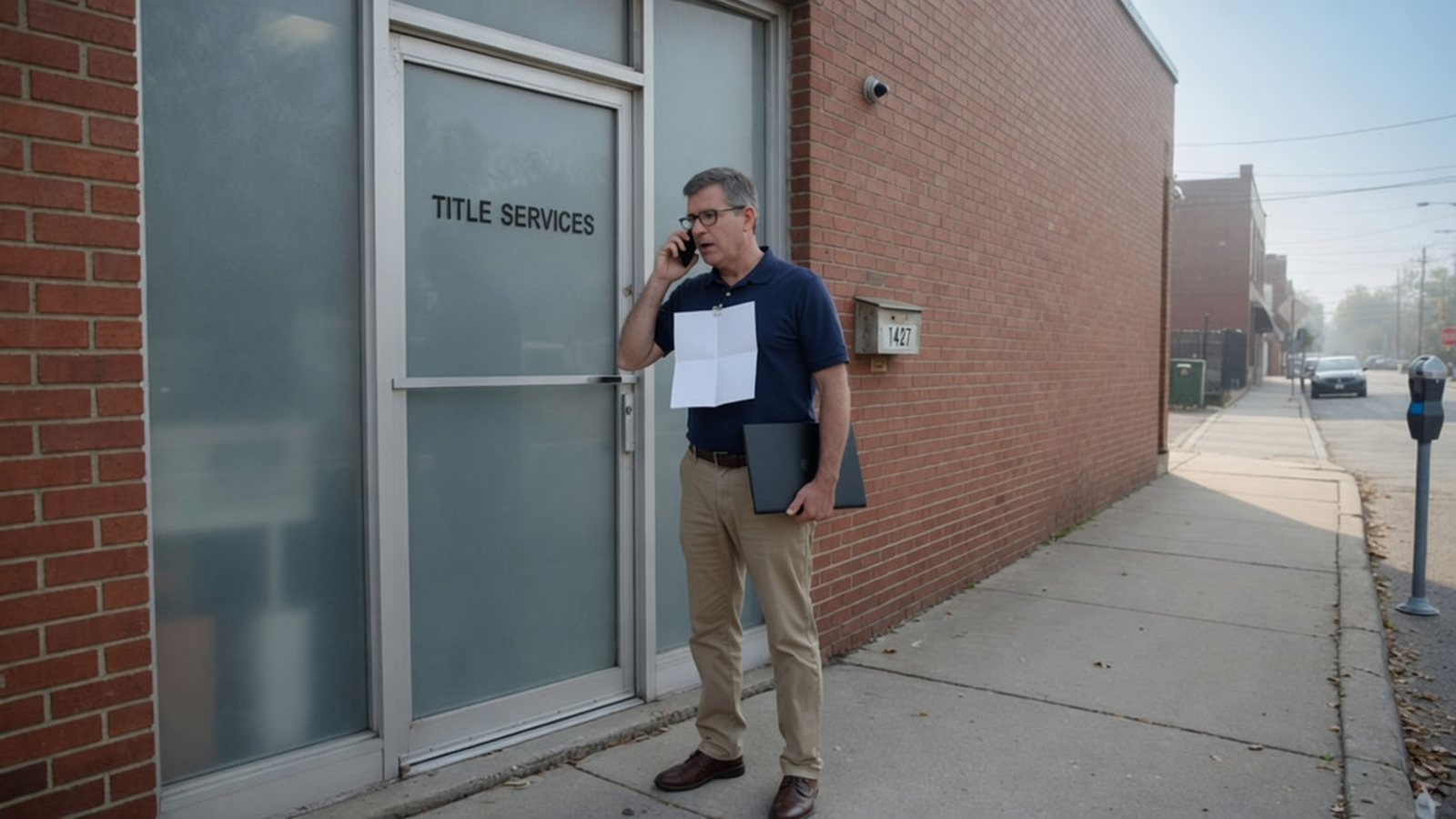
Closing funds move by wire or by another form of good funds the office will accept. The FBI's Internet Crime Complaint Center describes business email compromise as a scam against people and businesses who are about to send money. Criminals compromise a real email thread, or imitate one, and send new payment instructions. The IC3's protection list is short. Use a second channel to verify any change in account information. Check that the sender address is actually the closing office, including on a phone where the display is easy to trust by mistake. If the money has already gone, contact the bank that sent it and ask for a recall as fast as that bank's process allows, then file a complaint at ic3.gov with the bank details.
Turn that into a sequence you can do without special software:
- At the start of the file, ask the closing office how they will send funds instructions. Write down the phone number from the office's own site or from the paperwork you received in person, not from an email signature alone.
- When instructions arrive, call that number. Ask them to read the beneficiary name, bank, and account number. Read yours back.
- If any later message changes the account, the amount, or the deadline, do not reply to the message with a transfer. Call the known number again.
- Send the amount on the final statement, not a rounded number from memory.
- Ask the office to confirm receipt before you treat the file as funded. "I sent it" and "they have it" are different facts.
- Ask which good funds they accept. Some offices want a wire. Some accept a cashier's check under their own limit. Do not guess the cutoff.
A model can highlight that an email's account number differs from the number in yesterday's PDF. That is a useful sort. It is not the phone call. The person who controls the money makes the call on a number they looked up. Keep the language about any assistant provider-neutral. The check is the same no matter which model summarized the PDF.
6. Control signing, insurance, possession, and utilities
Signing day has a clock. The office needs funds received by its cutoff, documents notarized in the form your state requires, and lender approval if a loan is funding. Arrive with identification the office asked for, the authority document if an entity is buying, and the statement you already reviewed. Do not sign a statement that still has a blank you do not understand. Ask what the line is, who it is paid to, and whether it matches the contract. Write the answer on your copy.
Insurance is a timing fact, not a later chore. If the house will be vacant and under renovation, the policy has to match that use. The house flip insurance guide covers vacancy, builder's risk, liability, and the handoffs. This page only holds the closing test: the named insured matches the deed, any lender clause matches the lender's instructions, and the effective time is at or before the moment the office disburses. A binder that starts tomorrow does not cover a loss tonight.
Possession follows the contract. "At closing" might mean the appointment, or it might mean recording. Ask which one your contract uses, and ask the office when recording is expected. Keys, garage openers, codes, and mailbox access move with vacant possession. If a seller or a tenant has a written right to stay, you do not change those locks because the deed signed. Occupied space is a landlord problem and a contract problem. Vacant space can be secured after you actually have possession.
Utilities are a contract and a local-account problem. Do not assume the seller's account stays open for your rehab. Call each utility with the closing date and ask what they need in order to bill the new owner. The holding cost guide is where electricity, water, gas, taxes, and insurance sit in the monthly carry. Closing day is when that clock starts, even if the first contractor is a week away.
7. Work three named buyer closings
These three buyers are fictional teaching composites. Names, streets, prices, and outcomes are illustrations, not testimonials and not local law. Fee amounts are the figures on their draft statements, not a quote for your county. Each buyer has a walk-away test and a decision.
Priya Shah, a cash ranch in Toledo
Priya is buying a 1962 one-story ranch at 14 Birch Lane in Toledo, Ohio. She is paying cash. The contract price is $142,000. Her earnest money of $3,000 is already with the title company. Her offer model said she would walk if cash to close went above $145,000, because that was the slack left after repairs and a small reserve. Her draft statement shows an owner's title premium of $875, a settlement fee of $650, recording of $125, and a tax proration of $410 she owes the seller for taxes the seller already paid past closing.
Calculation: $142,000 minus $3,000 is $139,000. Add $875 to reach $139,875. Add $650 to reach $140,525. Add $125 to reach $140,650. Add $410 to reach $141,060. That number is under her $145,000 cash cap, so the draft itself is acceptable.
The morning of closing, the updated statement adds a $6,800 municipal lien and asks Priya to bring it. The contract says the seller pays liens. Her new cash would be $141,060 plus $6,800, which is $147,860. That is $2,860 over the cap she wrote down when she offered. She does not sign. She asks the office to show the lien as a seller payoff, or to cut the price by at least the amount that puts her cash back to $145,000 or below. A friendly assurance that the seller "will handle it after closing" is an assumption. She needs the statement to show the payoff.
Andre Cole, a hard-money bungalow in Birmingham
Andre is buying a 1924 bungalow at 88 Magnolia Way in Birmingham, Alabama. The price is $186,000. One lender's term sheet, used here only as a teaching sheet, funds $139,500 at the purchase closing, which is 75 percent of the price. Rehab funds come later, against draws, and the first draw at the table is $0. Points are 2 percent of $139,500, which is $2,790. The sheet also charges a $995 lender fee. His draft statement adds a lender's title policy of $1,100, an owner's policy of $1,050, a settlement fee of $800, and recording of $180. Earnest money of $5,000 is a credit. He compared this sheet with another offer using the hard money guide before he accepted it. Closing is where he checks that the accepted sheet is the one on the statement.
Calculation of the charges: $2,790 plus $995 is $3,785. Add $1,100 to reach $4,885. Add $1,050 to reach $5,935. Add $800 to reach $6,735. Add $180 to reach $6,915. Then $186,000 plus $6,915 is $192,915. Minus $5,000 is $187,915. Minus $139,500 is $48,415.
Andre also keeps an $8,000 operating float that is not on the statement. The locksmith and the dumpster he wants in the first two days are about $650, and they cannot be paid from a rehab draw that has not been requested. If he wires $48,415 and spends the float on something else, the house sits unlocked. His decision is to send the statement amount and to leave the float in a separate account labeled for those first costs. He does not tell himself the lender "basically funded the rehab" because a later draw exists on paper. The draw inspection guide is how that later money actually moves.
Helen Ortiz, an LLC duplex with a tenant in Providence
Helen's buyer is Ortiz Hold Co LLC, not Helen personally. The property is a duplex at 19 Ledge Avenue in Providence, Rhode Island. The price is $310,000. Earnest money of $10,000 is credited. Her statement shows an owner's policy of $1,600, a settlement fee of $900, recording of $200, and a municipal lien certificate of $150. Unit 2 is occupied. The lease and the seller's estoppel need to say the same end date before she funds. Unit 2 rent is $1,400 a month, and the seller collected October. Her contract uses a 30-day month and treats the day before closing as the seller's last day. Closing is October 10, so the buyer is credited 21 days. That credit is 21 divided by 30, times $1,400, which is $980. The tenant's $1,400 security deposit is credited to the LLC because the deposit has to follow the tenancy. It is not rehab cash.
Calculation: $1,600 plus $900 plus $200 plus $150 is $2,850. Price plus charges is $312,850. Minus $10,000 is $302,850. Minus $980 is $301,870. Minus $1,400 is $300,470. Helen moves $1,400 of that picture into a deposit ledger the day it hits the operating account. She does not spend it on paint.
The estoppel says the tenant has a term through March. The lease in the file is month to month. Helen does not close on a shrug. Her plan to keep the tenant through the light rehab depends on the March date. She asks for one document that both sides will sign, matching the file, before funds move. She also checks that the deed, the statement, and the insurance name all say Ortiz Hold Co LLC. Personal name on the deed would be a different deal from the one her operating agreement authorized. Unit 1 is vacant at recording, so that unit can be secured. Unit 2 keeps its locks. Her first letter is an introduction and a copy of the lease in the property file, not a notice to vacate.
8. Use a closing checklist without an account
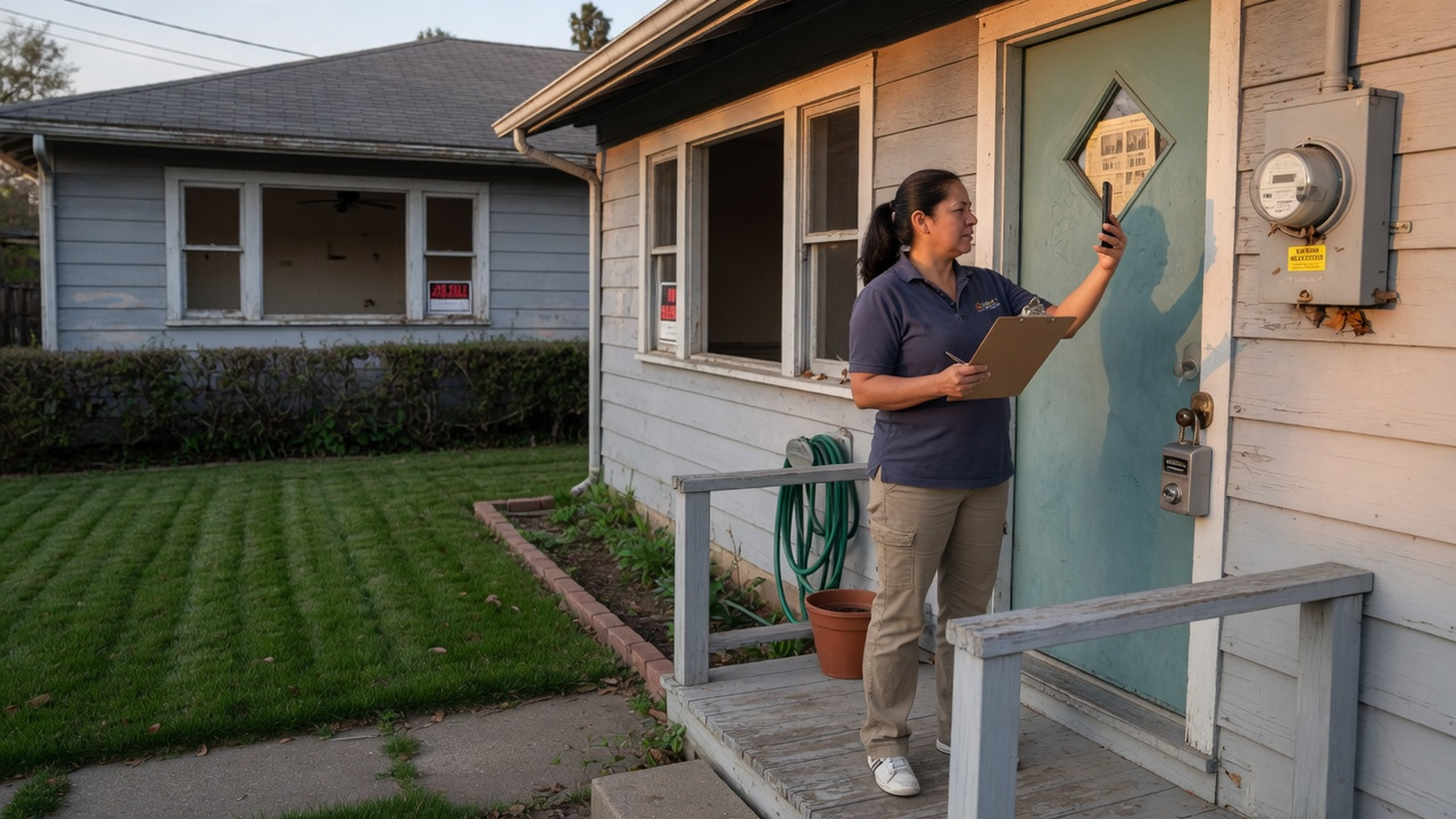
Copy this list into the notes app you already use. Check each line against a document, not against a memory of the showing.
- Contract and every amendment are in the file, and the price on the statement matches them.
- Earnest money receipt matches the credit on the statement.
- Title commitment is in the file. You can point to which exceptions will be removed at recording and which will remain.
- Buyer name on the deed, the statement, and the insurance matches the contract or a written assignment.
- Draft statement arrived before the appointment. You can explain every buyer charge in one sentence.
- Cash to close is under the walk-away cash you wrote down at offer, or you have a new written agreement.
- Loan charges, if any, match the term sheet. Rehab draws that are not funding today are not counted as today's cash.
- Funds instructions were confirmed on a phone number you looked up. Any changed instruction was confirmed again.
- Insurance named insured and effective time are acceptable to you and, if there is a loan, to the lender.
- Possession time, keys, codes, and any tenant or seller occupancy right match the contract.
- Prorations and security deposits are labeled, including money you must hold rather than spend.
- You know who confirms recording, and you know the next business day's first three tasks.
If you cannot check a line, you are not required to invent an answer at the table. Ask for the page, or reschedule the funding. A delay has a holding cost only after you own the house. Signing the wrong statement has a longer bill.
9. Open the project file in the first 48 hours
Recording is the handoff from "contract" to "project." The four-stage pipeline should show this property leaving the contract stage once you have the confirmation the office promised, not when you merely attended the appointment. The same day, open the rehab record with four facts from the closing: the price you actually paid, the cash you actually sent, the insurance effective time, and the possession notes, including any unit you may not enter.
Photograph vacant rooms, the meter, and the locks before demolition starts. Those photos are the baseline if a later dispute asks what you received. Order utility accounts in the owner name. If a tenant remains, follow the lease and local notice rules before you touch that unit. The rehab project management guide explains how scope, budget, schedule, and files stay on one property after this point. The scope itself still has to be written. Closing did not write it. Use the scope of work guide before you ask for bids.
A model can file the statement into folders you already named: price, credits, loan charges, prorations, insurance. Show the source page next to the summary. If the summary and the statement disagree, the statement wins until the closing office corrects it in writing. A person accepts the cash figure into the deal record. That review step does not depend on which provider drafted the summary. The AI underwriting guide and the AI disclosure state the same limit in the product: a draft is not a decision.
Rehabfolio can hold the statement, the cash number, the insurance date, and the task list on the property you just bought. The deal analysis page is where the purchase figures meet the offer model. The fix-and-flip workflow is the path from that closed purchase into the rehab. The project management page is the operating record after the deed. None of those pages wires money, interprets a deed, or issues a title policy.
10. Avoid the mistakes that show up after the appointment
- Wiring from the email that asked for the wire. The message can be a compromised thread. The IC3 standard is a second channel. Use the phone number you looked up before the message arrived.
- Treating the lender's policy as your coverage. CFPB's description is plain: the lender's policy protects the lender's loan. Your cash needs its own decision about an owner's policy, and the exception list still limits that policy.
- Spending a deposit or rent credit. A credit that belongs to a tenant, or that only reimburses days of rent, is not profit and not a rehab draw. Park it and label it.
- Letting insurance start the next morning. Vacant houses get damaged at night. Match the effective time to disbursement.
- Vesting in the wrong name. An LLC on the operating plan and a personal name on the deed is a different owner from the one who was supposed to buy. Fix it before anyone signs.
- Closing the file when the appointment ends. The statement has to meet the underwriting model, or the model was theater. Put the actual cash into the property record the same day.
None of these require a villain at the table. They require an ordinary hour in which the fastest path is to sign what is in front of you. The checklist is the slower path on purpose.
Frequently asked questions
What is a buyer closing on a house flip?
Buyer closing is the day the seller's ownership is transferred to you and you pay the amount the settlement statement says you still owe. It is not the inspection period, not the earnest money deposit by itself, and not the later closing when you sell the renovated house. You leave with a deed path, a funds number you checked, and a possession plan. The rehab has not started just because the appointment is over.
Do house flip buyers always get a Closing Disclosure three days before closing?
No. The Consumer Financial Protection Bureau says that when a loan receives a Closing Disclosure, you must get it at least three business days before closing. Many flip loans are business-purpose credit, and some short-term loans are discussed as temporary financing under RESPA. Those loans may use a different statement. A cash purchase has no mortgage disclosure at all. Ask the lender and the closing office which form you will sign, and get the draft before the appointment.
What is cash to close, and why is it not the purchase price?
Cash to close is the amount you still have to deliver after the contract price is adjusted by credits and charges on the settlement statement. Earnest money already on deposit is usually a credit. A loan, if you have one, is usually a credit. Title charges, recording, transfer taxes, prorations, and lender fees can move the number up or down. Match the statement to the contract and the term sheet before you send money.
Does a lender's title policy protect the buyer?
No. The Consumer Financial Protection Bureau explains that a lender's policy protects the amount the lender advanced. An owner's policy is a separate choice and can help protect your investment if someone later claims an interest that existed before you bought. Exceptions listed on the policy are matters that policy, as issued, is not covering. A lien that stays on the exception list is still a problem until someone pays it and the exception is removed.
How should a buyer check wire instructions?
Call the closing office on a phone number you looked up yourself, not a number that arrived in the same email as a new account. The FBI Internet Crime Complaint Center tells people to verify a change in payment instructions on a second channel. Read the account name and number back. If an email changes the instructions later, stop and call again. If money already went to the wrong place, call your bank at once and ask for a recall, then file a complaint at ic3.gov.
What should you keep after the deed records?
Keep the final settlement statement, the deed, the title commitment and the policy when it arrives, the earnest money receipt, insurance evidence with the effective time, loan documents if any, rent or deposit credits, and photos of the vacant areas on day one. Those pages are the start of the project file. They also support later questions about what you actually paid. Tax treatment of those costs is a question for your tax professional, not a guess from the statement.
Editorial methodology, limitations, and sources
The Rehabfolio editorial team wrote this as the purchase-day checklist for a house flip. It does not replace the due diligence guide, the earnest money guide, the AS-IS credit guide, the insurance guide, the hard money guide, the holding cost guide, or the seller closing guide. Those pages remain the homes for the inspection window, the deposit, the negotiation, the policy types, the loan comparison, the carry, and the later sale. This article answers a different question: what a buyer should be able to prove on the day title transfers.
Key public sources include the Consumer Financial Protection Bureau article When do I get a Closing Disclosure?, on the three-business-day timing when that form applies; RESPA coverage at 12 CFR 1024.5, including the business-purpose exemption and the temporary-financing discussion; the CFPB explainers What is owner's title insurance? and What is lender's title insurance?; the FBI Internet Crime Complaint Center page on business email compromise, on verifying a change in payment instructions and contacting the sending bank; and IRS Publication 551, Basis of Assets, on which buyer settlement costs can be part of basis and which loan costs are not. Local closing offices, lenders, and licensed professionals still control the file you are signing. National pages do not set your proration or your vesting.
Public guidance cannot tell you whether your loan is exempt from RESPA, whether you should buy an owner's policy, or how your return should treat closing costs. Examples are original composites created for teaching. Names, street addresses, prices, and outcomes are illustrative. They are not case studies of real customers. Dollar figures are educational, not quotes and not state fee schedules.
Editorial standard. We identify the audience, the author, the review date, the topic boundary, the assumptions, and the product limit. We do not invent credentials, licenses, testimonials, market statistics, or guaranteed results. AI may help organize research and draft, and a person reviews the claims, the links, the examples, and the limitations before publication. We revise the guide when a cited public page or a material product workflow changes. See the editorial methodology on the company page.
Keep the purchase figures and the closing file on the same property.
Use a workspace for the statement, the cash you sent, and the first tasks. You still confirm the wire and sign the deed.
Create free account