Rehabfolio learning center

Learn the property business one clear decision at a time.

Source-backed guides for people analyzing a first deal, managing an active renovation, building a rental portfolio, or improving a repeatable real estate business.

41 practical guides160,000+ words of practical instructionOriginal examples and teaching visualsUpdated October 2026
Choose your starting point

What are you trying to do today?

You can read the library in order or start with the decision directly in front of you.

Path 1

I am looking at my first deal

Begin with the full analysis, set after-repair value from the right comps, learn how AI can help without replacing your judgment, screen repairs from photos without treating that draft as a bid, verify the house during the inspection window, read the survey and the title commitment before you waive, read the tax bill before you count it twice, negotiate AS-IS credits or a price cut, protect the earnest money deposit, close on a checked settlement statement, and put utilities in the owner's name.

Analyze your first property Estimate after-repair value Use AI responsibly Estimate rehab costs from photos Run due diligence Read the property survey Read the title commitment Read the property tax bill Negotiate AS-IS offer credits Protect the earnest money deposit Close on the purchase Transfer the utilities
Path 2

I need a reliable project budget

Write the bid-ready scope, build the physical estimate, stack acquisition, rehab, holding, selling, and contingency before you offer, vet the contractor, map the project schedule, choose a project system, plan permits and inspections, control material procurement, payments, change orders, lien waivers, contingency reserves, draw inspections, and workmanship, close out the finished work, prepare the sale, compare buyer offers, complete the seller closing, then connect every cost to the deal.

See the full flip cost breakdown Build a repair budget Vet the contractor Build the project schedule Choose a project system Plan permits and inspections Plan material procurement Control contractor payments Control change orders Control lien waivers Set the contingency budget Write the scope of work Pass draw inspections Protect the earnest money deposit Build a quality control plan Close out the project Prepare the listing launch Compare sale offers Complete the seller closing Calculate holding costs Read the property tax bill Transfer utilities Plan house flip insurance Compare hard money loans Calculate a maximum offer Negotiate AS-IS offer credits
Complete guide library

Follow the property from first look to final outcome.

Each guide includes realistic investor scenarios, original visuals, FAQs, source links, and a practical checklist.

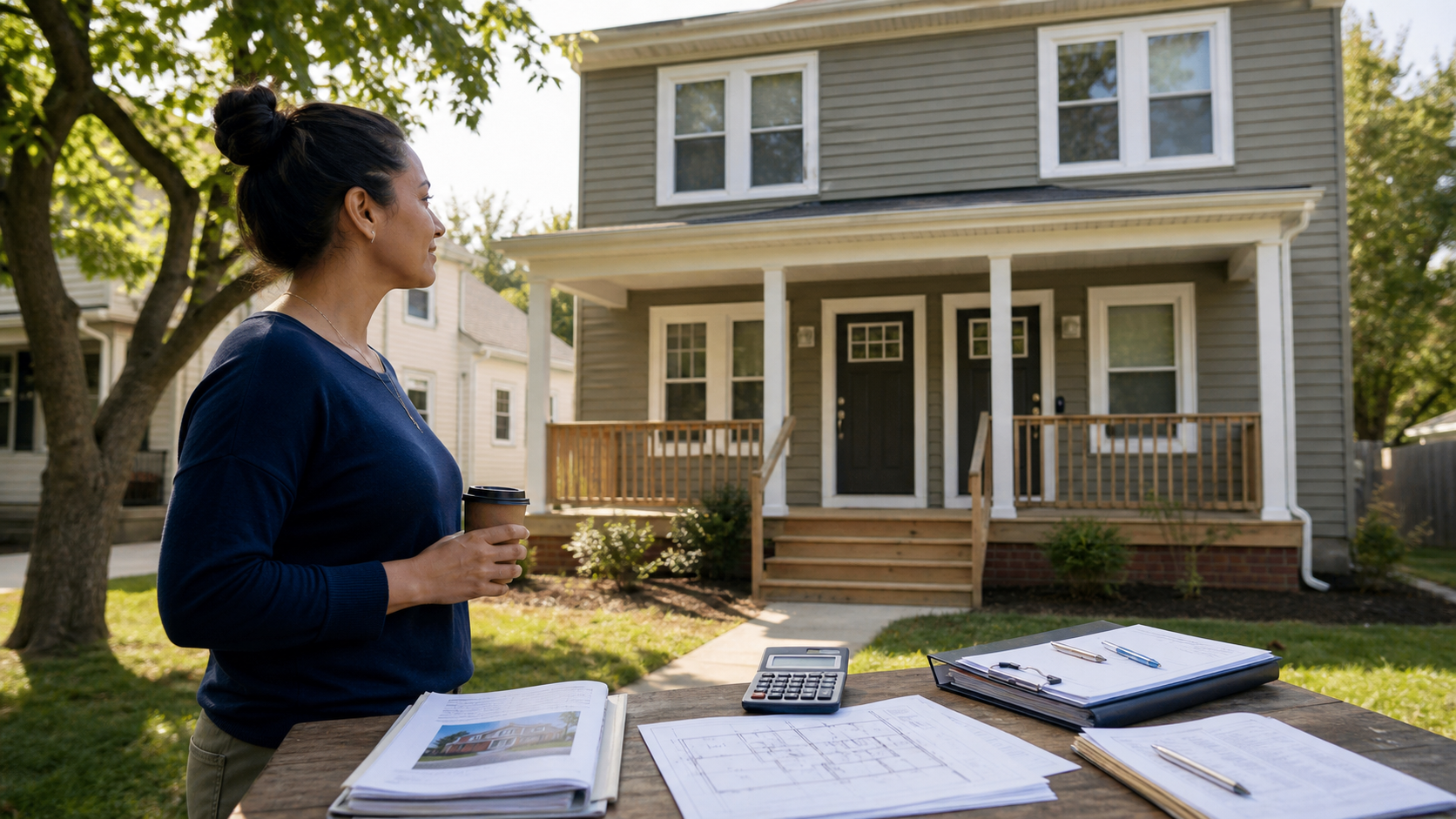
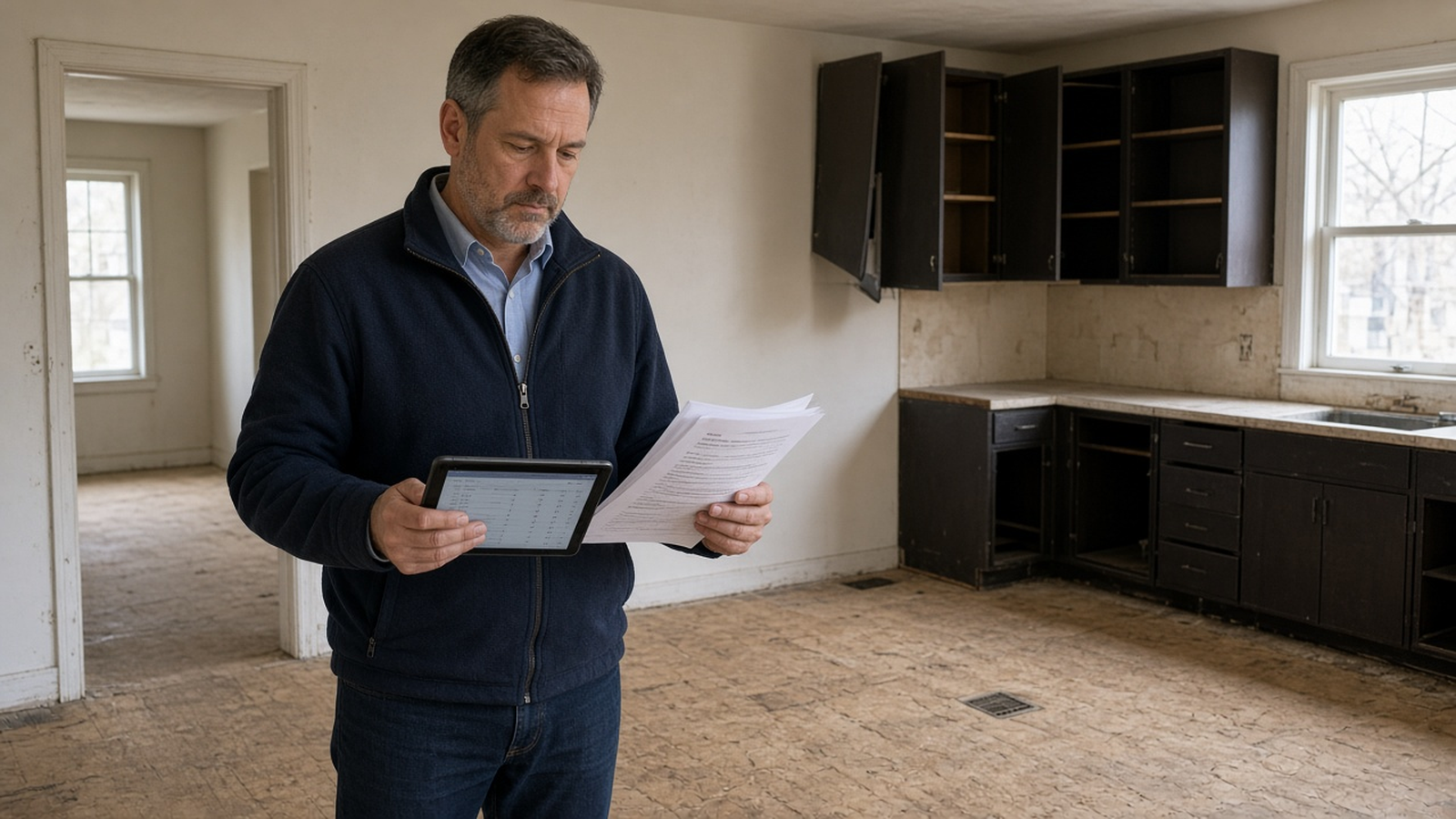
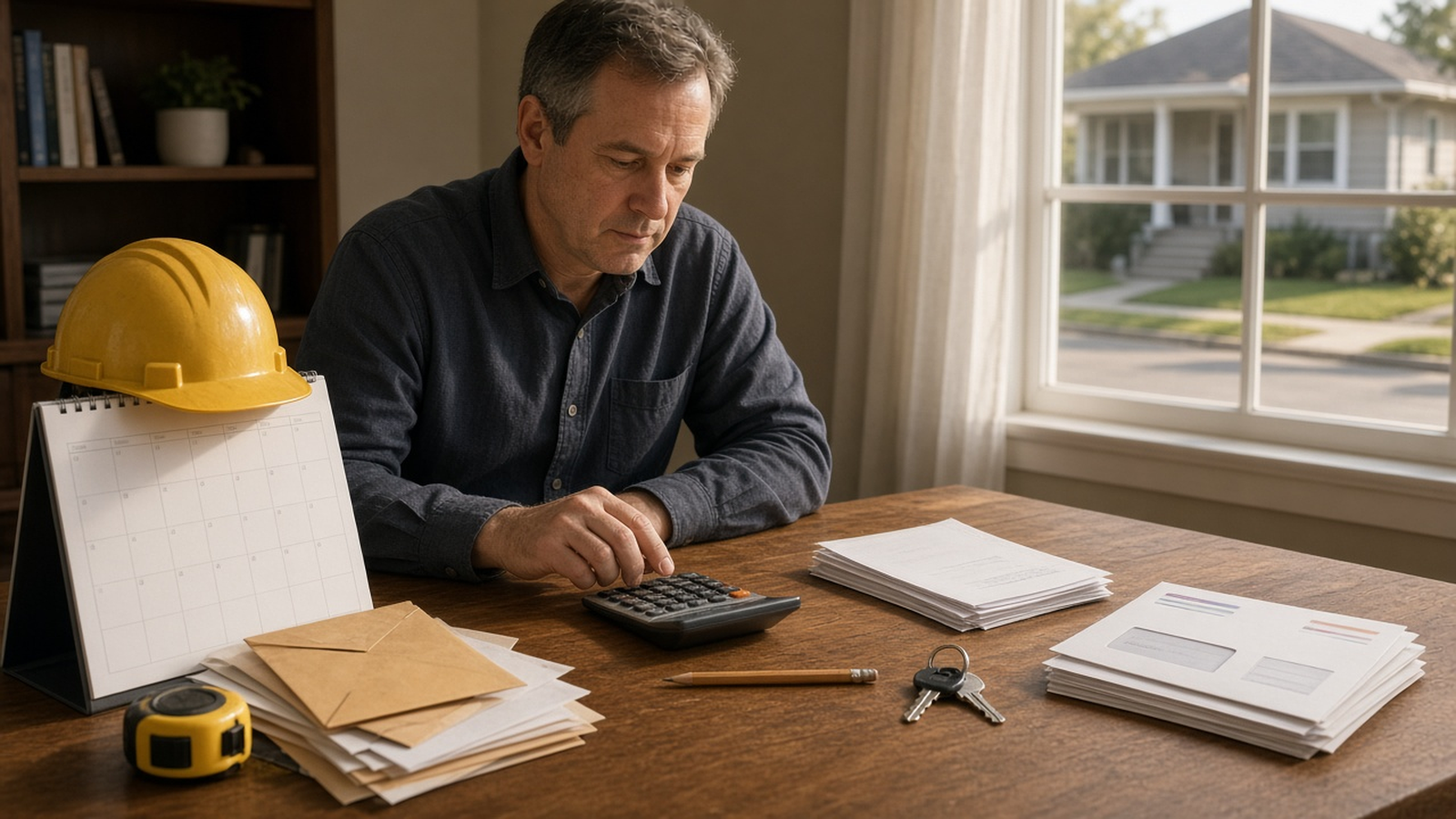
An investor analyzing a residential property with comparable sales, repair notes, financing, and a calculator
01 · Start here

How to analyze your first investment property

Build a complete property analysis from verified facts, value, repairs, financing, holding costs, exit costs, profit, and downside risk.

Complete guide · 3,000+ wordsStart with the complete analysis
02 · Use AI responsibly

How to use AI for property underwriting

Learn what AI can organize, which evidence must remain visible, how to check comparable sales, and when a confident answer should be rejected.

Complete guide · 2,400+ wordsRead guide
03 · Plan the work

How to build your first repair budget

Turn a walkthrough into a scope, compare contractor bids, separate allowances from contingency, and approve a controlled renovation budget.

Complete guide · 2,800+ wordsRead guide
04 · Make an offer

The 70% rule and your maximum offer

Use the rule as a quick screen, then calculate the full cost stack and a defensible walk-away price from your actual assumptions.

Complete guide · 2,200+ wordsRead guide
05 · Manage opportunities

A simple four-stage real estate lead pipeline

Move each opportunity from New to Talking, Offer out, and Contract with one owner, one next action, and a clean project handoff.

Complete guide · 2,400+ wordsRead guide
06 · Choose the outcome

Should you sell, rent, or refinance?

Compare immediate cash, rental income, refinance debt, reserves, workload, and downside risk using the same verified property facts.

Complete guide · 2,400+ wordsRead guide
07 · Price the timeline

How to calculate house flipping holding costs

Estimate financing, taxes, insurance, utilities, property care, and the cost of delay from acquisition closing through sale closing.

Complete guide · 3,000+ wordsRead guide
08 · Build a rental

The BRRRR method, explained with real numbers

Connect the purchase, rehab, lease, refinance, and long-term operating plan without assuming every dollar comes back.

Practical guide · Worked exampleRead guide
09 · Operate the rental

Rental operating expenses and NOI, month by month

Include taxes, insurance, utilities, maintenance, management, vacancy, capital reserves, and debt without double-counting.

Practical guide · Monthly exampleRead guide
10 · Compare financing

How to compare hard money loan offers

Normalize rates, points, proceeds, cash required, draws, maturity, extensions, guarantees, and downside risk across the same house flip.

Complete guide · 3,000+ wordsRead guide
11 · Protect the project

House flip insurance and coverage gaps

Match vacancy, construction, liability, flood, limits, deductibles, contractor evidence, and coverage handoffs to the real project timeline.

Complete guide · 3,000+ wordsRead guide
12 · Approve the work

House flip permits and inspections

Connect the written scope to permit research, plan review, rough inspections, corrections, carrying cost, final signoffs, and formal closeout.

Complete guide · 3,000+ wordsRead guide
13 · Choose the contractor

How to vet a contractor for a house flip

Verify the business, licenses, insurance, workers' compensation, references, active jobs, capacity, and bid scope before a contractor reaches the project.

Complete guide · 3,000+ wordsRead guide
14 · Pay for progress

House flip contractor payment schedules

Tie deposits, milestone draws, field verification, change orders, lien controls, retainage, and final payment to documented completed work.

Complete guide · 3,000+ wordsRead guide
15 · Procure the materials

House flip material procurement plans

Connect selections, field measurements, lead times, order dates, receiving checks, storage, substitutions, returns, and cost records to the construction schedule.

Complete guide · 3,000+ wordsRead guide
16 · Control the timeline

House flip project schedules

Build a complete activity network, identify critical and near-critical paths, sequence trades and inspections, update progress, and recover from delays without hiding uncertainty.

Complete guide · 3,000+ wordsRead guide
17 · Control the quality

How to build a house flip quality control plan

Define acceptance, hold pre-install reviews, inspect first work, protect concealed conditions, track corrections, and verify the result before dependent work proceeds.

Complete guide · 4,000+ wordsRead guide
18 · Close the project

House flip punch lists and project closeout

Run a controlled final walkthrough, assign and verify corrections, collect permits and warranties, reconcile final costs, and hand over a complete project record.

Complete guide · 3,000+ wordsRead guide
19 · Prepare the sale

House flip pre-listing checklist

Move from project closeout to reviewed disclosures, accurate property facts, supported pricing, truthful photography, safe showings, and a controlled listing launch.

Complete guide · 3,000+ wordsRead guide
20 · Choose the buyer

How to compare offers on a house flip

Compare estimated net proceeds, financing evidence, appraisal exposure, contingencies, deposits, timing, possession, and backup terms before accepting a contract.

Complete guide · 3,000+ wordsRead guide
21 · Complete the sale

House flip seller closing checklist

Control title, payoffs, the final walkthrough, settlement figures, proceeds security, signing, possession, recording, and the final seller record package.

Complete guide · 3,000+ wordsRead guide
22 · Verify the purchase

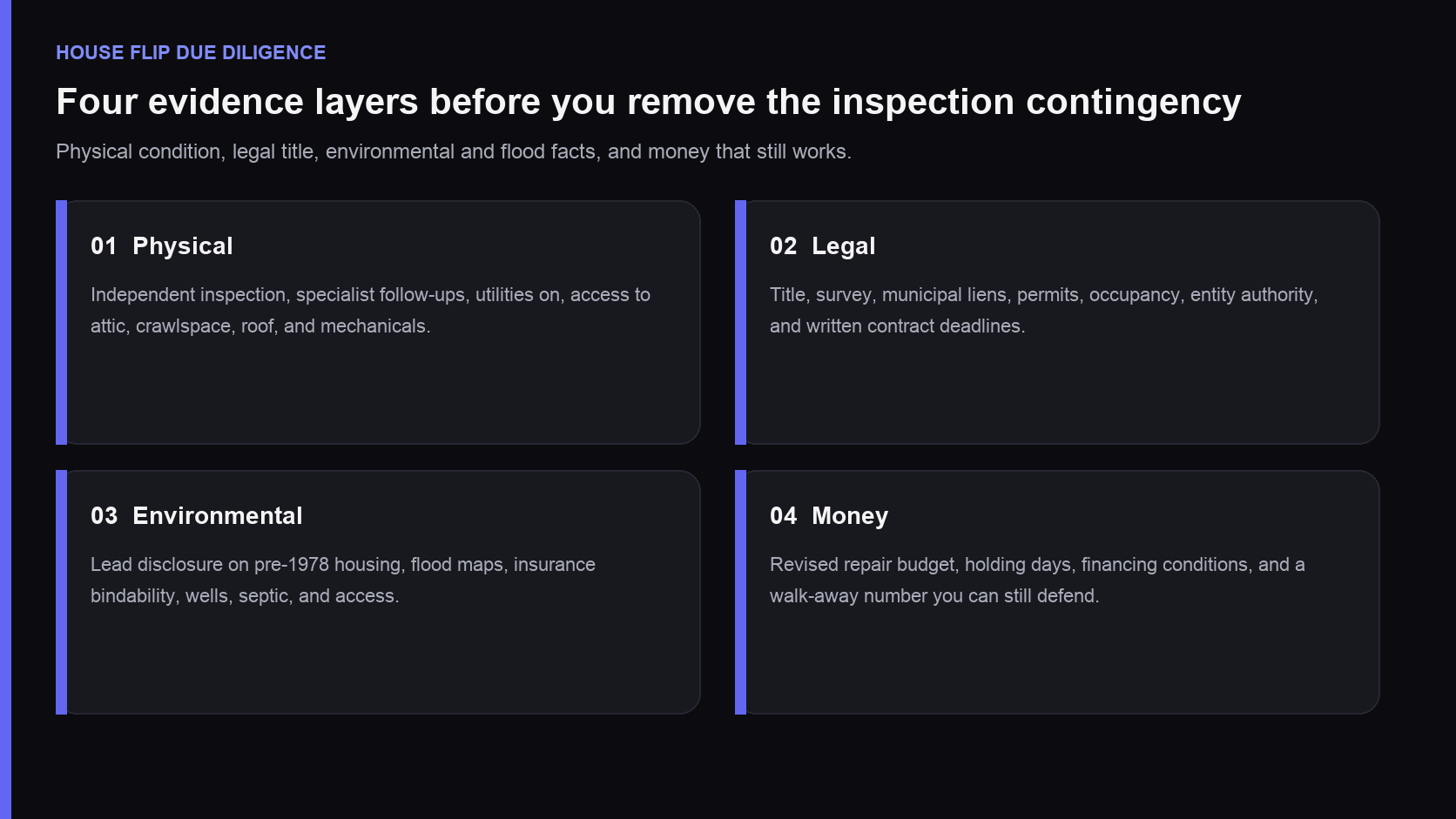
House flip due diligence checklist

Use the inspection window to verify condition, title, lead, flood, insurance, occupancy, and a rebuilt repair budget before removing contingencies.

Complete guide · 3,000+ wordsRead guide
23 · Control the changes

House flip change orders

Freeze the renovation baseline, require a complete change packet, recalculate cost and holding time, and approve only written amendments that still clear your walk-away number.

Complete guide · 3,000+ wordsRead guide
24 · Release the payments

House flip lien waivers

Map every claimant, match conditional and unconditional progress and final waivers to cleared payments, control retainage, and assemble a sale-ready release file.

Complete guide · 3,000+ wordsRead guide
25 · Protect the reserve

House flip contingency budget

Size contingency from uncertainty, keep it separate from allowances and upgrades, compare it with change orders and holding costs, and release it through a written gate.

Complete guide · 2,400+ wordsRead guide
26 · Write the scope

House flip scope of work

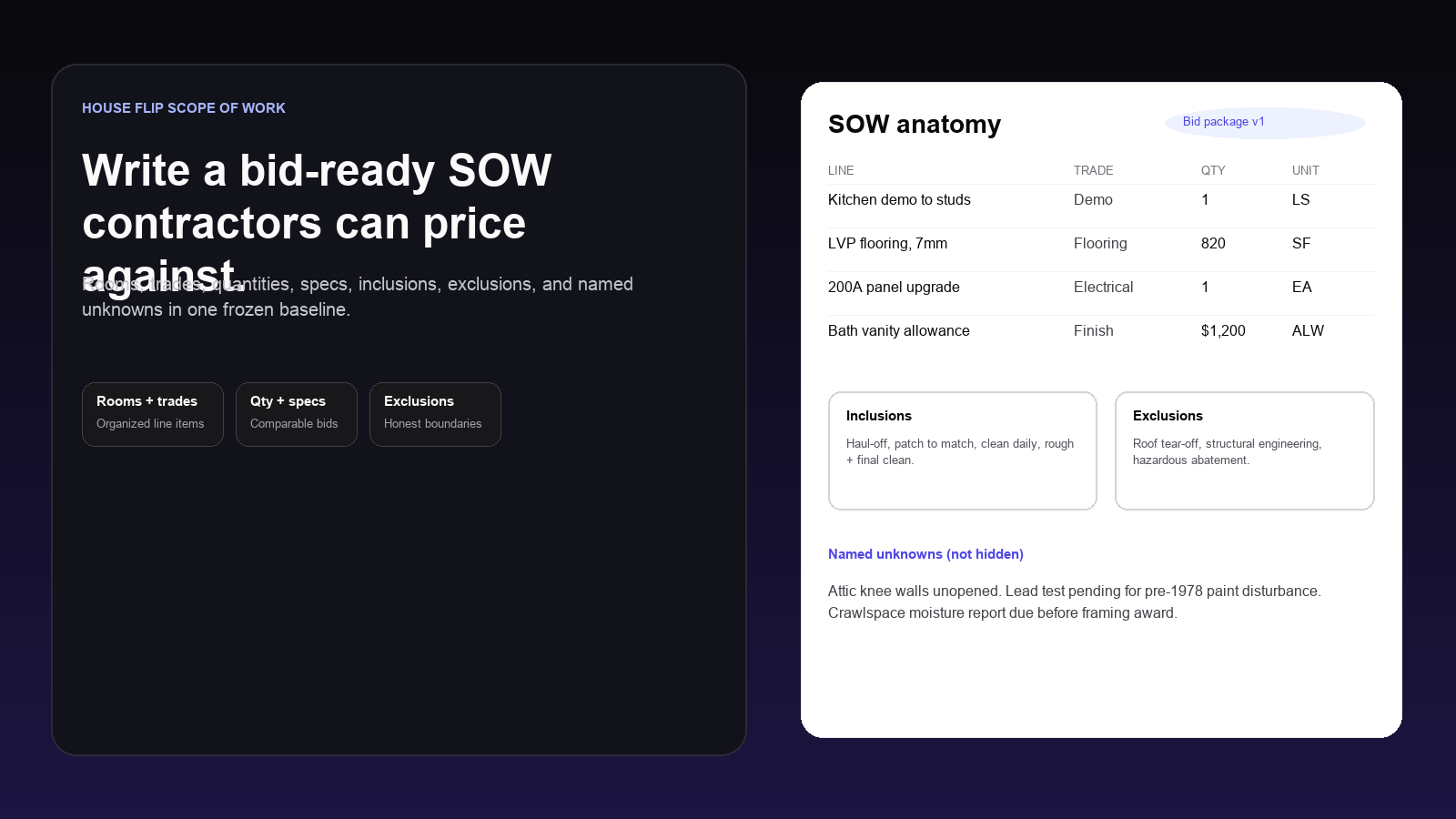
Write a bid-ready SOW with room and trade line items, quantities, specs, inclusions, exclusions, named unknowns, and a freeze-before-start baseline contractors can price against.

Complete guide · 2,400+ wordsRead guide
27 · Fund the draws

House flip draw inspection

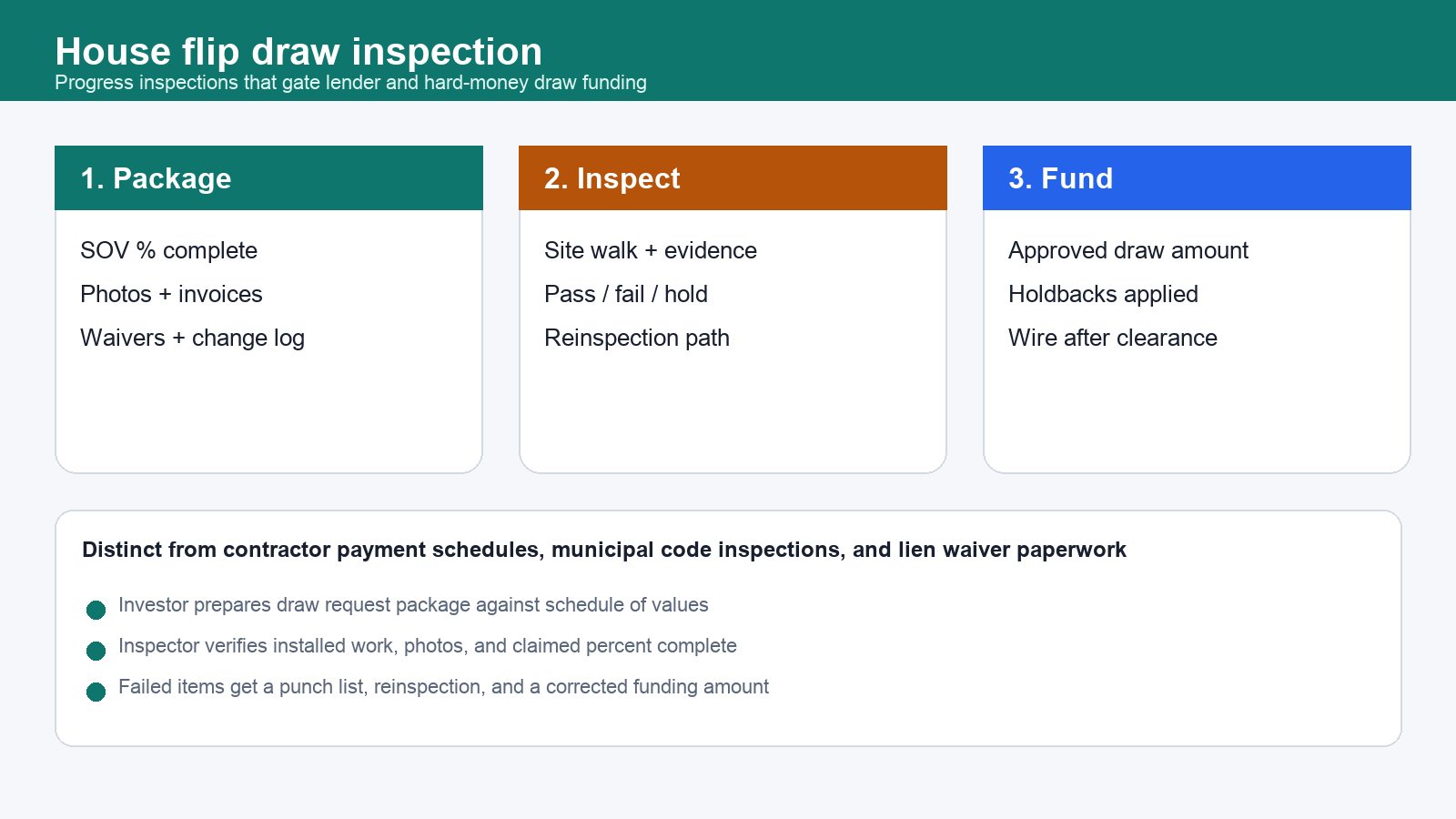
Prepare lender and hard-money progress inspections with a draw request package, percent complete versus schedule of values, photo evidence, pass/fail remediation, and invoice matching.

Complete guide · 2,400+ wordsRead guide
28 · Negotiate the purchase

House flip AS-IS offer credits

Negotiate seller credits, repair credits, and closing credits on an AS-IS purchase, then choose a price reduction when lender, title, or leftover-credit limits make the cut cleaner.

Complete guide · 3,000+ wordsRead guide
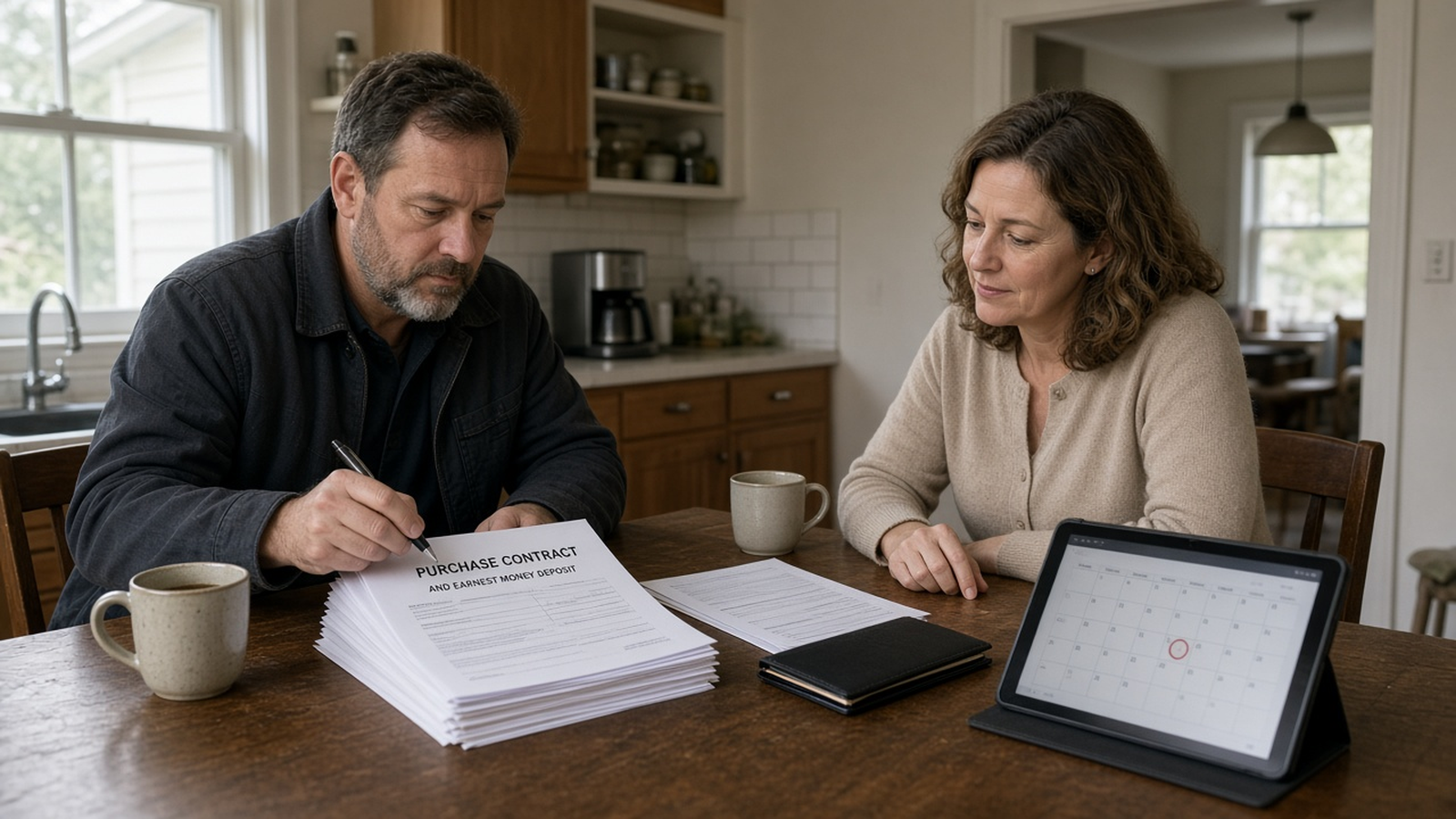
29 · Protect the deposit

House flip earnest money deposit

Learn buy-side earnest money for house flips: what EMD is, who holds escrow, typical ranges as custom not advice, contingency refunds, wire-safe delivery, and how it differs from option money.

Complete guide · 2,400+ wordsRead guide
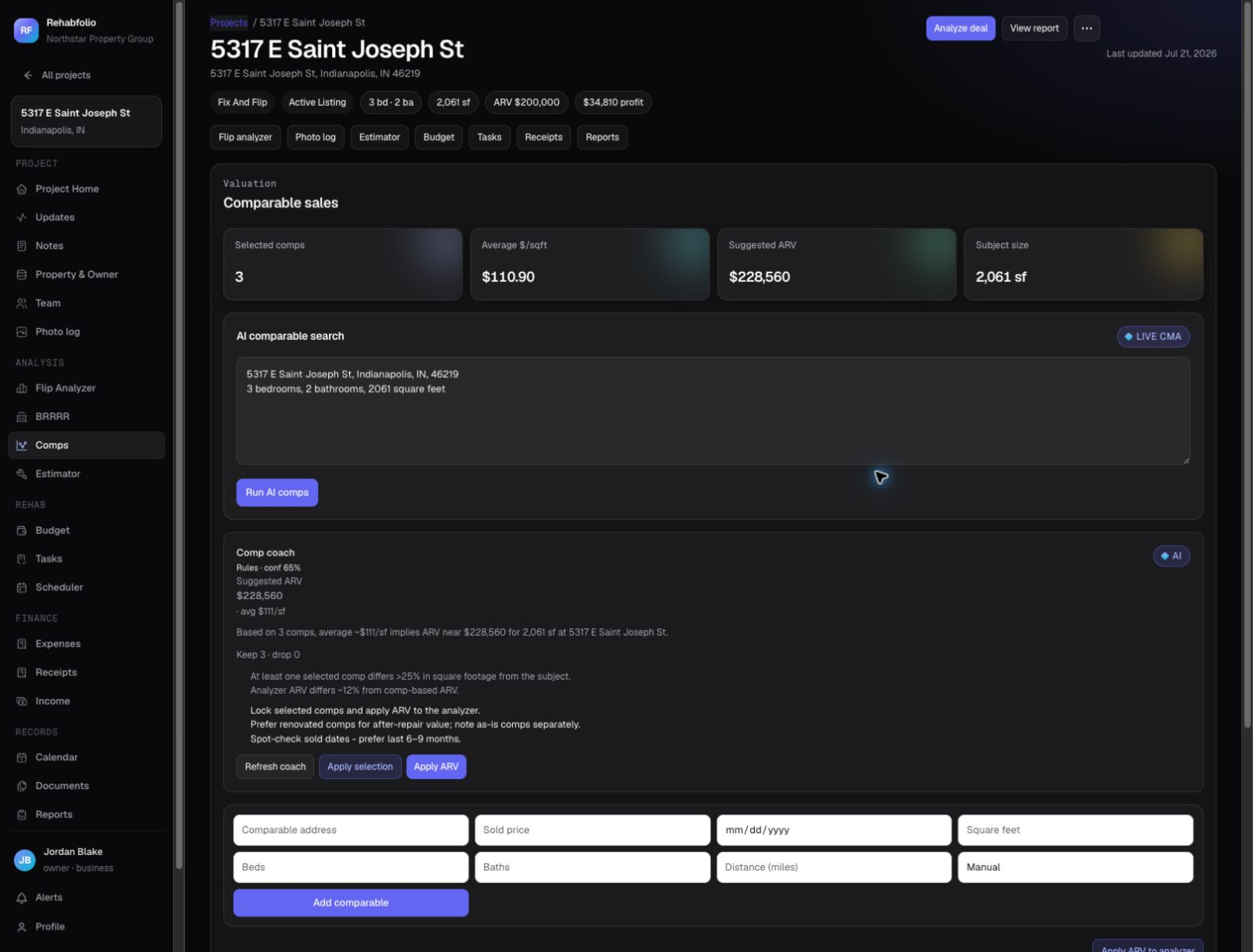
30 · Set the value

How to estimate after-repair value

Build ARV from closed comps that match the finished house, adjust for real differences, and keep as-is value and your offer as separate numbers.

Complete guide · Worked compsRead guide
31 · Run the rehab

Rehab project management software

Learn what a rehab project system must track, when a spreadsheet is enough, how to evaluate tools, and how to run scope, budget, schedule, draws, documents, and vendors week to week.

Complete guide · 4,000+ wordsRead guide
32 · Price from photos

How to estimate rehab costs from photos

Turn a listing or wholesaler photo pack into a labeled preliminary scope, separate what the pictures support from named unknowns, and stop before that draft becomes the offer.

Complete guide · 2,800+ wordsRead guide
33 · Take the deed

House flip buyer closing checklist

Check cash to close, the settlement statement, title coverage, wire instructions, possession, and the first project records on the day you buy a house to renovate.

Complete guide · 4,000+ wordsRead guide
34 · Price the whole flip

House flipping cost breakdown

Stack acquisition, rehab, holding, selling, and contingency into one profit picture, then turn that stack into a maximum offer.

Complete guide · 4,000+ wordsRead guide
35 · Sort the costs

Holding costs vs rental operating expenses

See which bills belong to a flip's carry, which belong in monthly NOI, which names are shared, and how a BRRRR or hold changes the bucket without counting the same bill twice.

Bridge guide · 2,200+ wordsRead guide
36 · Choose the tool

FlipperForce alternatives, by the job

Sort a spreadsheet, a deal calculator, rental books, a task app, a rehab workspace, and staying put by the job in front of you, then keep one live record.

Complete guide · 5,000+ wordsRead guide
37 · Run the utilities

House flip utility transfers

Move electric, gas, water, sewer, trash, and internet into the owner's name, keep service on for crews and inspections, and record the bills as holding costs.

Complete guide · 6,000+ wordsRead guide
38 · Read the survey

How to read a house flip property survey

Name the survey product you actually received, match it to the contract deadline, and price encroachments, easements, and access before you waive the right to object.

Complete guide · 3,000+ wordsRead guide
39 · Price the assignment

How to price a wholesale assignment fee

Separate your contract price from the end buyer's price, price the fee from their repairs and target profit, and stop when a disclosure or license rule makes the spread unenforceable.

Complete guide · 3,000+ wordsRead guide
40 · Read the tax bill

House flip property taxes

Read the bill, prorate the purchase and the sale, reserve a reassessment the first statement cannot show, and keep that cash out of the offer twice.

Complete guide · 7,000+ wordsRead guide
41 · Read the commitment

How to read a house flip title commitment

Name the commitment form, separate requirements from exceptions, and decide whether an owner's policy is in the file before you waive.

Complete guide · 6,000+ wordsRead guide
How we publish

Useful enough to keep open while you work.

Evidence before certainty

Value, rent, costs, and AI output stay connected to sources, assumptions, and verification steps.

Examples before jargon

Named scenarios and worked numbers show how a decision changes when the evidence changes.

The whole property lifecycle

The library connects acquisition, renovation, rental, refinance, sale, and portfolio operations.

Ready to use what you learned?

Run your next property in a free workspace.

Analyze the deal, plan repairs, track the work, and keep the evidence together.

Create free account